Whoa! I remember the first time I almost bricked my whole portfolio. My hands were shaking. I had a paper seed phrase in a drawer and a dozen tabs open. The instinct said panic, but the calm part of my brain told me to breathe and check the basics slowly. Initially I thought a hardware wallet was the only safe bet, but then I realized that convenience, visibility, and connection all matter too—especially if you’re juggling multiple chains and yield strategies.
Wow! There are three pieces people gloss over. Seed phrase hygiene. A reliable portfolio tracker. dApp connectivity that doesn’t leak your keys. Get any of those wrong and you’re courting risk. Honestly, here’s what bugs me about common advice: it treats these as separate problems. They’re not. They’re tightly coupled, and your approach to one should inform the rest.
When I talk to friends in the US and devs overseas, the same patterns pop up. People store seed phrases loosely. They paste private keys into random trackers. They approve dApps without understanding what they’re approving. Somethin’ about crypto culture romanticizes risk. That scares me. I’m biased, but I’ve seen too many near-miss horror stories to stay chill about it.
Okay, so check this out—let’s walk through how these three elements intertwine and what practical steps actually protect you. I’ll be honest: some solutions are messy. They require trade-offs between convenience and security. But there are good middle grounds, and some wallets get it right.
How a seed phrase should shape your whole setup (and why most guides miss that)
Your seed phrase is the master key. Simple sentence. But here’s the thing—people treat it like a checkbox. They write it down, tuck it away, and never revisit it until disaster. Really? You should test recoveries periodically. Yes, test. Not just once. Do dry runs in a controlled environment. My instinct said that was overkill the first time, but after a near-loss I became systematic about it.
Short-term keys and long-term keys serve different roles. Use hierarchical deterministic (HD) wallets to manage multiple accounts from a single seed phrase. That avoids reusing native private keys. On one hand that keeps recovery straightforward, though actually you must also think about the platforms that will read those addresses—portfolio trackers and dApp connectors need to map addresses reliably. If your tracker reads a derived address incorrectly you can think funds are missing. Oh, and by the way, always check the derivation path settings when you import a seed into a new wallet.
Wow! Backups need layers. A single paper in a drawer is not a backup. Redundancy matters. Split secrets across locations if you can. Use metal seed backups for fire and water resistance. But don’t make them unreadable to yourself—I’ve seen engraved metal plates so cryptic that the owner couldn’t reconstruct the order later. That part bugs me.
My practical rule: at least two geographically separated backups. One offline hardware device if you rely on it. And one air-gapped recovery plan (a paper or metal copy stored securely). Sounds like extra work. It is. But losing years of positions hurts way worse than spending an evening on set-up.
Something felt off about multisig advice too. It’s praised for security and can be excellent, but it complicates recovery. Multisig increases the points of failure and the coordination cost. Initially I thought it was the default best practice for everyone, but then I noticed small traders get stuck when signers retire or move. So plan the governance around multisig before you use it.
Portfolio trackers: more than pretty charts
Portfolio trackers give you situational awareness. Medium sentence each for clarity here. They should reconcile on-chain data, off-chain positions, and cross-chain assets. That’s easier said than done. Different chains expose balance information differently, and some tokens live behind contracts that need precise indexing to show up correctly.
On one hand trackers make you smarter about fees and performance. On the other hand they can tempt sloppy security trade-offs—like pasting private keys into a third-party site. Do not do that. Seriously? Do not. The right approach is permissioned read access where possible, or using wallet connection standards that ask only for address read access and never share private keys. Use JSON-RPC endpoints or public APIs rather than copying seed material into a web form.
Tracking should also be auditable. If your tracker runs off a third-party API, know how that provider obtains and caches data. I once saw a tracker that mis-credited a large airdrop because of bad token mapping. It isn’t always malicious. Sometimes it’s just sloppy indexing. But sloppy indexing creates real financial confusion, and confusion creates risky behavior—like moving funds to a “missing” address to ‘fix’ things.
Check this: reconcile monthly. Export CSVs. Do a manual tally. Sounds old-school, but it saves headaches. Also consider a tracker that supports multiple wallets and multiple derivation paths; that flexibility has saved me during wallet migrations more than once.
dApp connectors: convenience with boundaries
Connectors are the UX glue between you and smart contracts. They make DeFi functional. But connectors also create the most immediate attack surface if approvals are handled carelessly. Approving unlimited token allowances? That’s asking for trouble. Limit approvals by default and only raise them temporarily, and then revoke when you’re done.
Here’s an aside—wallet UX matters a lot. If a wallet buries transaction details behind jargon, users approve things without understanding. That’s maddening. A good wallet surfaces the contract address, function called, amounts, and gas estimate in a clear way. My instinct said that was too geeky for casual users, but in practice people adapt quickly when presented with simple, meaningful options.
On one hand, browser-based connectors are seamless. Fast. Convenient. They let you hop between dApps in seconds. On the other hand, that convenience translates to a broader attack surface if your browser or extension is compromised. That’s why hardware-backed signing remains valuable for high-value actions. Use hot wallets for day-to-day interactions and a separate cold or hardware wallet for treasury-level moves.
Whoa! If you’re multi-chain, check how your wallet handles chain switching. Auto-switching can be useful. It can also be abused by malicious dApps to trick users into signing on the wrong chain. Pause. Read the prompt. If it looks weird, cancel and verify the dApp’s smart-contract on a block explorer. Yes, I use that workflow often. It adds a minute but preserves peace of mind.
Where a good wallet ties these pieces together
Okay, so look—I’ve tried a dozen wallets in the last few years. Some are clunky. Some are slick but opaque. What I prefer is a wallet that treats seed management, portfolio visibility, and dApp connection as an integrated experience. That reduces mental friction and lowers user error. For example, when a wallet flags a suspicious approval it should be able to show which asset will be impacted visually in your portfolio dashboard. That kind of integrated feedback is rare and very useful.
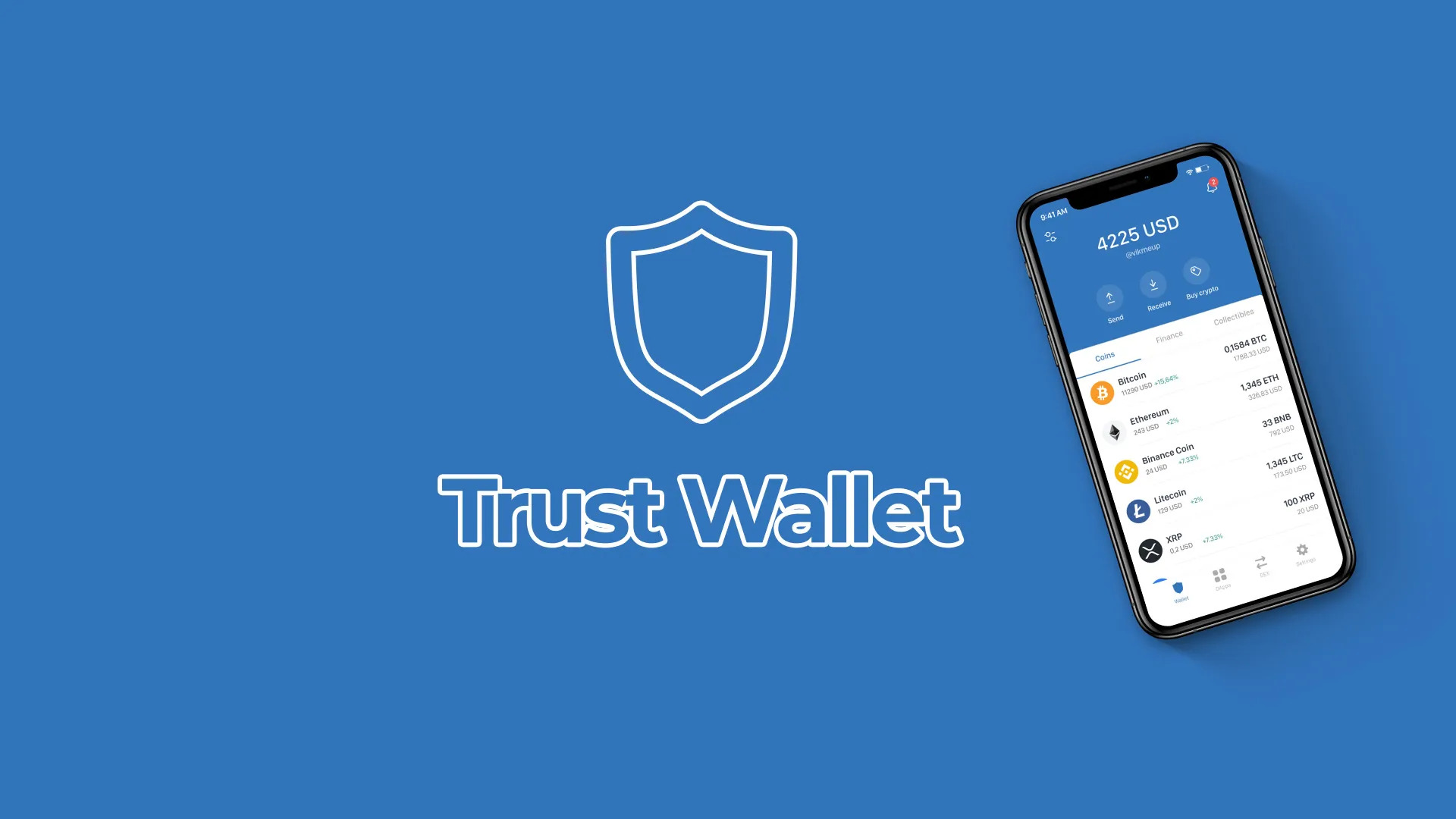
If you want something to try that balances these needs, check out truts wallet. They aim to combine secure seed handling, clear portfolio tracking, and granular dApp permissions into one product. I’m not paid to say that, I’m just pointing at a practical option that reduces a lot of the coordination headaches I’ve described. Seriously, it’s helpful.
Be careful though. No single wallet solves everything permanently. The ecosystem evolves fast. Keep learning. Periodically review the wallet’s open-source status, audit reports, and the community’s feedback because today’s convenience can become tomorrow’s liability if maintainers leave or attack vectors change.
FAQ
How often should I test my seed phrase recovery?
Do at least two dry runs per year. More if you move funds or change wallets. Test on a fresh device or emulated environment rather than your main device. That way you’re sure the seed recovers correctly and you know all the derivation path nuances before a real emergency.
Can I use one wallet for everything?
Technically yes, but it’s safer to compartmentalize. Use a hot wallet for small daily operations and a cold or hardware-backed wallet for large holdings. If you’re using multisig, design the signer roles and recovery plan before depositing large sums.
What about revoking token approvals?
Revoke unnecessary approvals regularly. Use reputable tools that read allowances on-chain. Avoid granting unlimited allowances unless a protocol explicitly requires it and you’ve vetted it thoroughly. A regular housekeeping habit prevents a lot of common exploits.