Okay, so check this out—I’ve been living in wallets for years now, and a lot of them promise “seamless” dApp integration. Whoa! Most of the time that promise lands somewhere between annoying and dangerous. Initially I thought better UX was the main gap, but then I dug deeper and realized that without true transaction simulation and per-dApp security controls, UX is just window dressing; you still risk signing a bad trade or a malicious approval.
Wow! The truth is simple. DeFi is getting more complex. My instinct said the next leap in wallets won’t be prettier buttons but smarter decision-making under the hood. Hmm… something felt off about how most wallets rubber-stamp dApp requests, and I’m biased but that bugs me a lot.
Let me be blunt: automatic approvals are a common attack vector. Seriously? Yes. On one hand dApps need frictionless interaction to onboard users, though actually, without simulation the user is flying blind—gas, slippage, reverts, and gas token quirks all sneak up. Initially I thought you could solve this with clearer prompts, but that only helps half the time; you need a wallet that acts like a safety net and a translator at once.
Here’s the thing. Transaction simulation isn’t just nerdy tooling. It’s emotional insurance. Whoa! When a wallet simulates a transaction, it can tell you whether a swap will revert, estimate real slippage post-fees, or detect if a contract call is trying to drain approvals. My first-hand runs with simulated txs saved me from a failing multicall on mainnet—yeah, I paid gas, but avoided the bigger disaster. I’m not 100% sure the average user understands all nuances, but they do understand “did this work or not?”
Short wins matter. Manual review is slow. Hmm… wallets that pre-check and explain give users confidence without forcing them to be solidity experts. On balance, the technical barrier to implementing good simulation is falling; MEV tools, trace RPC providers, and open-source gas models make this practical. Actually, wait—let me rephrase that: the tools exist, but the UX discipline to integrate them cleanly is rare.
Seriously? You might ask: what about dApp integration beyond just signing? Good dApp integration means context-aware permissioning. Wow! That is, your wallet should know that an AMM swap needs a one-off approval or a permit-based signature, and adjust prompts accordingly. My instinct says permissions are where wallets can show real thoughtfulness—per-dApp policies, revocation reminders, and transaction previews that explain “why” a dApp needs something.
On one side, you have convenience; on the other, you have safety. Hmm… balancing the two is design theater plus security engineering. Developers often trade strictness for fewer friction points, though actually, it’s possible to design adaptive flows that give power users deep controls while keeping things simple for newcomers. For instance, a wallet could default to read-only allowances, with an optional “trust this dApp” toggle you can flip after simulation proves safe.
Check this out—there’s a toolchain that ties simulation, policy, and UI into a coherent experience. Whoa! Wallets can fetch and render decoded calldata, run a dry-run on a node or a fork, and summarize the net effect on balances and approvals. That matters immensely for multisig transactions or complex liquidations where a single mis-specified parameter can cost thousands. I tried a rough flow on testnet and it felt reassuring, almost like having a junior auditor peek over your shoulder.
Wow! Security isn’t just checksums and audits. It’s also timing, context, and habit. Hmm… wallets that nudge users when approvals grow or when a previously trusted dApp behaves oddly create a kind of ongoing security relationship. Initially I thought this would be intrusive, but then realized subtlety matters—non-blocking nudges, a digest of high-risk allowances, and easy revocations. I’m biased, but the fewer steps between “oh no” and “revoked” the better.
Tools alone won’t fix behavior. Education helps. Seriously? Yep. The interface can teach without preaching—clear microcopy that explains “why this approval is needed” and “what could happen if you approve” goes a long way. My first impressions after watching users interact with such copy were mixed; some ignored it, others actually read and acted. So, it’s messy. Real-world adoption will require iterative UX testing and incentives for safer defaults.
Okay, for those building wallets or integrating dApps—practical checklist time. Whoa! Implement transaction simulation for all contract interactions. Provide decoded calldata and an effects preview. Include policy layers so users can set per-dApp defaults. And finally, make revocation obvious and one-click. I know that sounds like a product wishlist, but these are practical engineering changes: call traces, state diffs, and allowance monitors; none of it is magical, just underbuilt.
How rabby and similar wallets can change user behavior
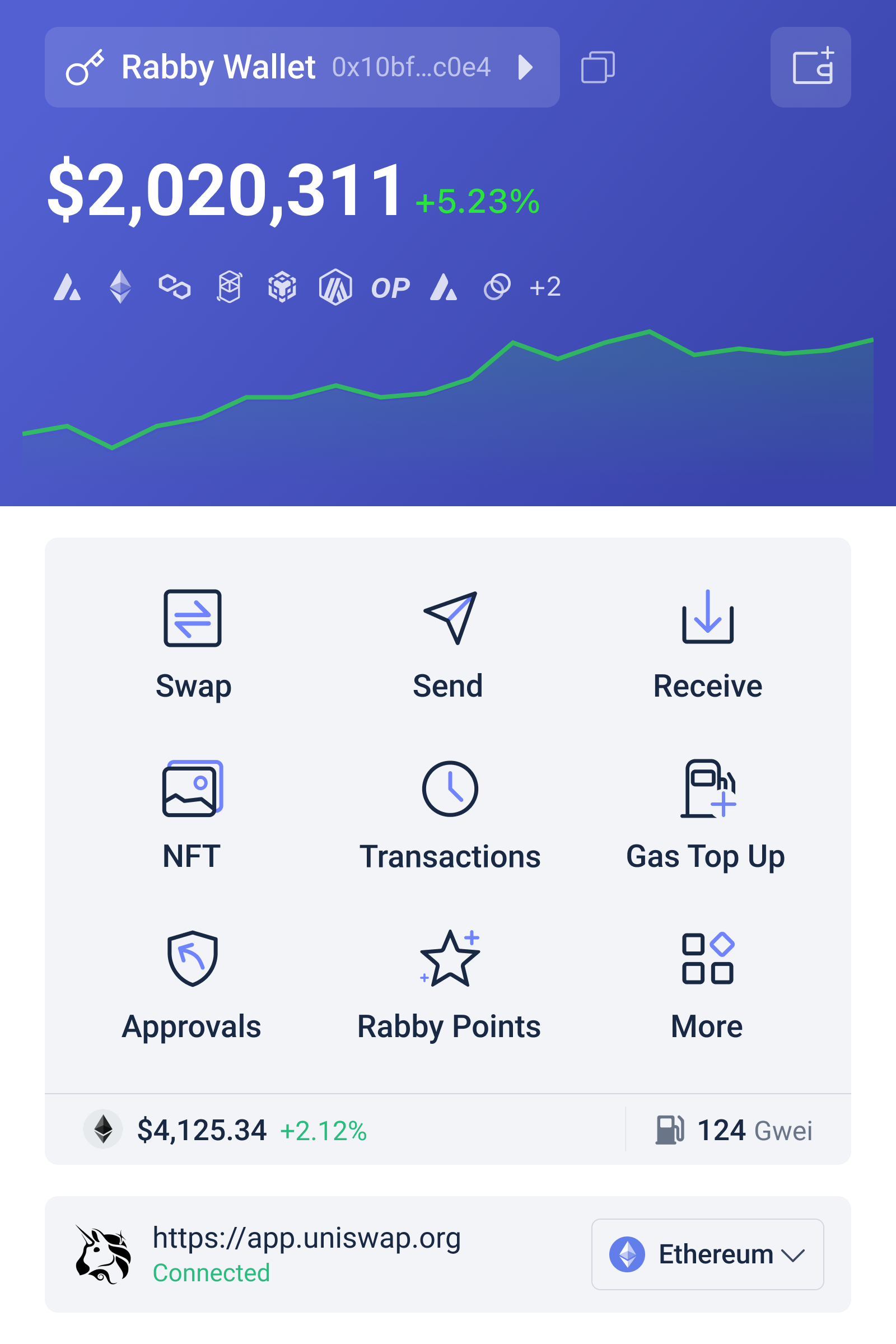
I’m a fan of wallets that take security seriously while staying usable. rabby is an example where transaction previews and per-dApp controls can be embedded naturally, reducing surprise and improving outcomes. Whoa! Integrations that let the wallet simulate a transaction in the background, then surface a simple summary like “Expected token change: -0.5 ETH, +150 USDC; Approval: one-time”, are hugely empowering without overwhelming the user.
On one hand, developers need easy SDKs for this. On the other, users need trust signals baked in. Hmm… both sides must converge. When wallets provide clear visual cues about what permissions mean—icons for spending limits, shields for trusted dApps—the heuristic becomes simpler: green = likely safe, yellow = proceed with caution, red = stop. Initially I thought color coding was simplistic, but combined with short explanations it works surprisingly well.
Here’s where things get interesting. Wallets can also offer a “what-if” mode. Whoa! Imagine toggling hypothetical slippage, gas budgets, or Mev fee caps before you sign, and seeing the simulated outcome. That changes behavior: you set a safety margin or cancel. It sounds nerdy, but traders will love it and casual users will adopt it if it saves them from small, painful mistakes.
Let me be honest—there are limits. Simulation isn’t perfect. It can’t predict front-running or every oracle glitch. Seriously? True. On-chain state can change between simulation and submission, especially in fragmented liquidity or during high volatility. But even imperfect previews reduce many classes of mistakes and give you actionable signals that plain raw calldata never could.
So what should product teams prioritize? Short list: integrate simulation at the RPC or fork level, decode and explain calldata, build permission policies, and design lightweight education. Wow! Do that, and you’re not just building a wallet—you’re building a decision partner for users, which matters as DeFi gets more sophisticated.
Frequently Asked Questions
What exactly is transaction simulation?
Transaction simulation is a dry-run of a transaction against current chain state that estimates whether it will succeed, what the gas cost and state changes will be, and whether any approvals or token movements are involved. It gives users a preview so they can make better choices.
Can simulation prevent MEV or front-running?
No, simulation doesn’t eliminate MEV or front-running risks because it can’t control mempool ordering or miner behavior, though it can surface when a transaction is likely to be targeted and suggest mitigations like increasing slippage or using private relays. It’s one safety layer among many.